
WCCW CONFERENCE: JUNE 6, 2026
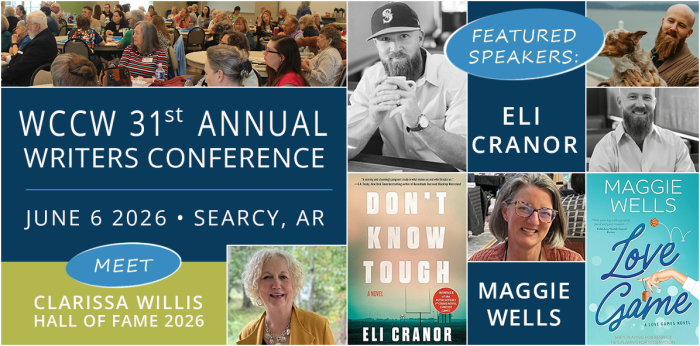
The 31st Annual White County Creative Writers Conference is on its way! Our featured speakers are Eli Cranor and Maggie Wells. Here are the complete conference details. Here’s a registration form.

 WHEN & WHERE
DATE / TIME:
Saturday June 6, 2026. 8:30 a.m – 3:30 p.m.
LOCATION:
White County Extension Service Building, 2400 Landing Road, Searcy, AR.
SCHEDULE:
Registration begins at 8:00 a.m. There will be two morning sessions and two afternoon sessions. The conference will conclude around 3:30 in the afternoon. (See schedule below.)
LUNCH is included.
FEATURED EVENTS
CONTEST WINNERS:
The winners of WCCW 2026 Contests will be announced.
SESSION SPEAKERS:
Our speakers are Eli Cranor and Maggie Wells. More information is found below.
CONFERENCE SESSIONS:
Here is a description of each session.
HALL OF FAME PRESENTATION:
Clarissa Willis, the 2026 Inductee to the Arkansas Writers Hall of Fame will be received into membership.
ADDITIONAL DETAILS
REGISTRATION:
The cost to register for this event is $45.
BOOK / PRODUCT TABLE:
Tables can be rented for an additional $10. (Limited availability. Details here.)
DEADLINE:
Registration deadline is May 31, 2026.
CLICK HERE TO PRINT A REGISTRATION FORM.
CONFERENCE SCHEDULE
Here’s our planned schedule for the day. Times may vary slightly.
8:00 — Registration begins.
8:30 – 8:45
 Opening Remarks & Announcements
8:45 – 9:30
SESSION: Writing the Sizzle Without the Spice: Maggie Wells
9:30 – 9:45 — Break
9:45 – 10:45
SESSION: Where I’m Writing From: Eli Cranor
10:45 – 11:00 — Break
11:00 – 11:30
HALL OF FAME PRESENTATION FOR CLARISSA WILLIS
11:30 – 1:00 — Lunch / Awards
1:00 – 2:15
SESSION: Shop Talk: Eli Cranor
2:15 – 2:30 — Break
2:30 – 3.15
SESSION: Advance, Acclaim, or Agency: Maggie Wells
3:15 – 3:30
CONFERENCE WRAP UP / FINAL PRIZES
FEATURED SPEAKERS
 Eli Cranor
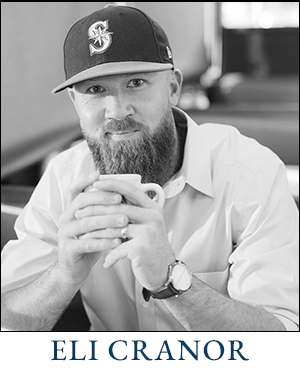
Bestselling, award-winning author Eli Cranor played quarterback at every level: peewee to professional. Eli was a standout quarterback in high school and went on to earn a scholarship to play for legendary head coach Howard Schellenberger at Florida Atlantic University. After redshirting his freshman year at FAU, Cranor transferred to Ouachita Baptist University, a private liberal arts college located in Arkadelphia, Arkansas.
During his time at Ouachita, Cranor double majored in Political Science and English Literature while earning all-conference honors as OBU’s quarterback. He went on to set school records for offensive production, two of which still stand today. Cranor originally thought he would pursue law school after graduation but ended up in Sweden playing professional football where he led the Carlstad Crusaders to a national championship. After that year-long journey, he traveled back to Arkansas to coach high school football.
Following a five-year coaching career, Cranor turned his attention to writing, garnering awards from The Missouri Review in 2018 and The Greensboro Review in 2017. During 2019 and 2020, he wrote a series of football-themed essays for Oxford American called “Hash Marks.” Shortly thereafter, he began penning a nationally syndicated sports column titled “Athletic Support.”
In 2022, Cranor’s debut novel, Don’t Know Tough, won the Peter Lovesey First Crime Novel Contest and the Edgar Allan Poe Award for Best First Novel. Originally penned in 2017, the manuscript collected over two-hundred rejections before being named one of the best novels of the year by the New York Times and USA Today.
Cranor’s next two novels, Ozark Dogs and Broiler, were published in 2023 and 2024 respectively. Both made numerous year-end lists, including the New York Times, The Guardian, and Amazon’s “Best Books of the Year.” Ozark Dogs was nominated for the Steel Dagger Award. While Broiler was nominated for the Mark Twain Voice in American Literature Award. He was also interviewed by Don Money for WCCW.
Cranor now serves as the “Writer in Residence” at Arkansas Tech, where he also lends his eye—and sometimes, his arm—to the university’s football team, an experience he mined while drafting his latest novel and series debut, Mississippi Blue 42.
 Maggie Wells
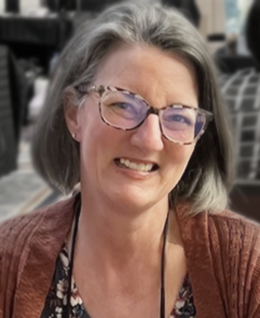
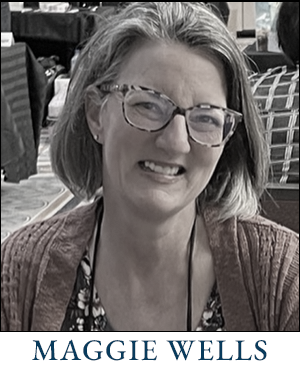
Maggie Wells is the bestselling author of more than fifty novels spanning romantic thrillers, contemporary romance, and women’s fiction. Celebrated for her sharp wit, emotional depth, and unapologetically authentic characters, she delights in exploring the magical space where life and love collide.
With over fifteen years of publishing experience across multiple genres and imprints, Maggie has seen the business from every angle. Her candid, conversational teaching style—full of energy, humor, and a healthy dose of real talk—makes her a standout presenter. Whether discussing craft, career paths, or the courage it takes to keep creating, Maggie’s mission remains the same: to help writers thrive.
CONFERENCE SESSIONS
Writing With Sizzle, Without Spice.
 Great emotional tension is about what happens between the lines, not necessarily between the sheets. This session dives into the craft of slow-burn desire — teaching you how to use character goals, unmet yearning, banter, conflict, proximity, and pacing to keep readers breathless.
We’ll explore how body language, dialogue subtext, thematic echoes, and inner conflict can create heat that feels layered and meaningful. We’ll talk about how to craft scenes that hum with connection and vulnerability, proving that intimacy doesn’t depend on explicit content, but on emotional truth.
Where I’m Writing From: Rooting Your Fiction in Authentic Place and Experience
 This session will explore how writers can leverage their own background and geographical location to create powerful, authentic crime narratives. Drawing on his experience setting his Edgar Award-winning novels in small-town Arkansas, Eli Cranor will discuss the intersection of setting, culture, and crime.
This session will focus on utilizing regional specificities (dialect, landscape, social dynamics) to create a vivid and believable world; how to use the local culture and community dynamics to drive the plot and build tension; mining your personal history into compelling fiction; and using crime fiction as a “magnifying glass” to examine societal issues like generational trauma, economic disparity, and community secrets.
“Shop Talk”: The Nuts & Bolts of a Working Writer’s Life
In this practical, craft-focused session, Eli Cranor will pull back the curtain on the discipline, routine, and tools needed to sustain a productive writing career. Inspired by his popular CrimeReads column, this is for writers who want concrete advice on how to get the work done.
This session will focus on Process over Perfection; the “Million Words” Philosophy; strategies for maintaining a rigorous writing schedule while managing the rest of your life; and learning from the work ethic and techniques of influences like Elmore Leonard and Jason Isbell to improve your own storytelling.
Advance, Acclaim, or Agency — Nobody Writes for Free.
A frank discussion about the costs and benefits of various paths to publication and how authors must determine what they value most in a business where we often get the smallest cut.
Every author has a ‘why’, but our reasons for doing what we do can — and probably should—change throughout an author’s career. Maggie says:
“When I was a new writer, I once said I’d buy myself a Mac when I hit the New York Times Bestsellers list. Another author I know quipped, “So you’re never getting a Mac?”
Did she think I wasn’t a good writer? No. It was because she knew what the odds of a romance author making that list without some extensive marketing work were. Now, I know lists, breakout hits, and even option pickups usually have little to do with the writing itself.
Which means I needed to reevaluate my ‘why’ and decide where my value as an author truly lies. In this workshop, we will have a frank discussion about determining our reasons for writing, how they can change from project to project and over time. Then, together, we can discuss some ways to drill down to that “why.”
I will provide a shame-free environment where authors are free to discuss the perks and pitfalls of writing for advance money, casting a net for critical acclaim, or because we simply have a story we feel must be told.”